Drainage in Mayfield
CCTV Drain Inspections Mayfield
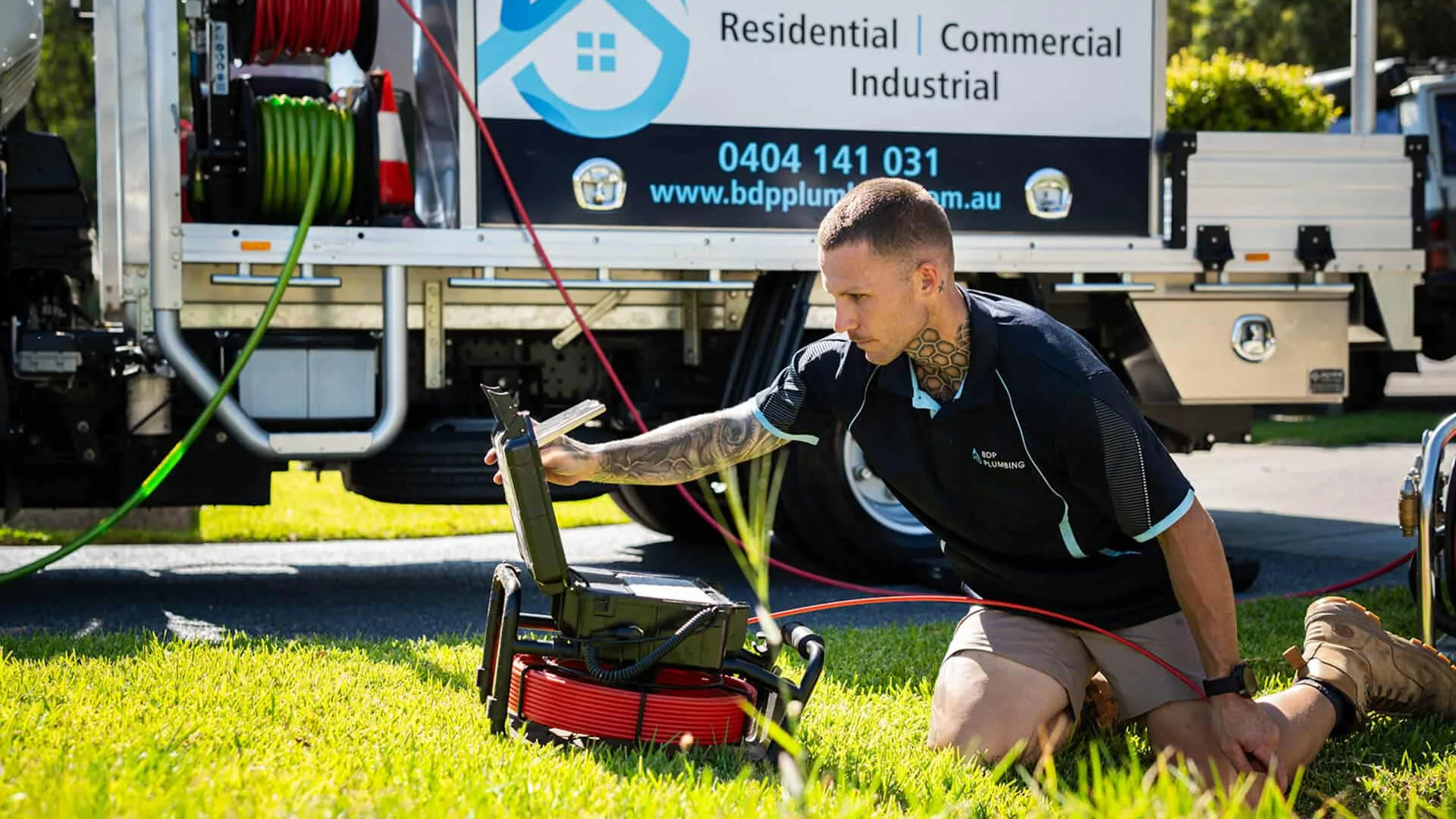
A camera down the pipe ends the guesswork. CCTV drain inspections show what is actually blocking, cracking or collapsing a drain, and that matters here because so much of the pipework under the houses is older than the people living above it.
Plumbers Mayfield runs camera work across Mayfield and the neighbouring suburbs, with the footage explained on the spot and the price agreed in writing before any repair starts.
Why a camera beats guessing
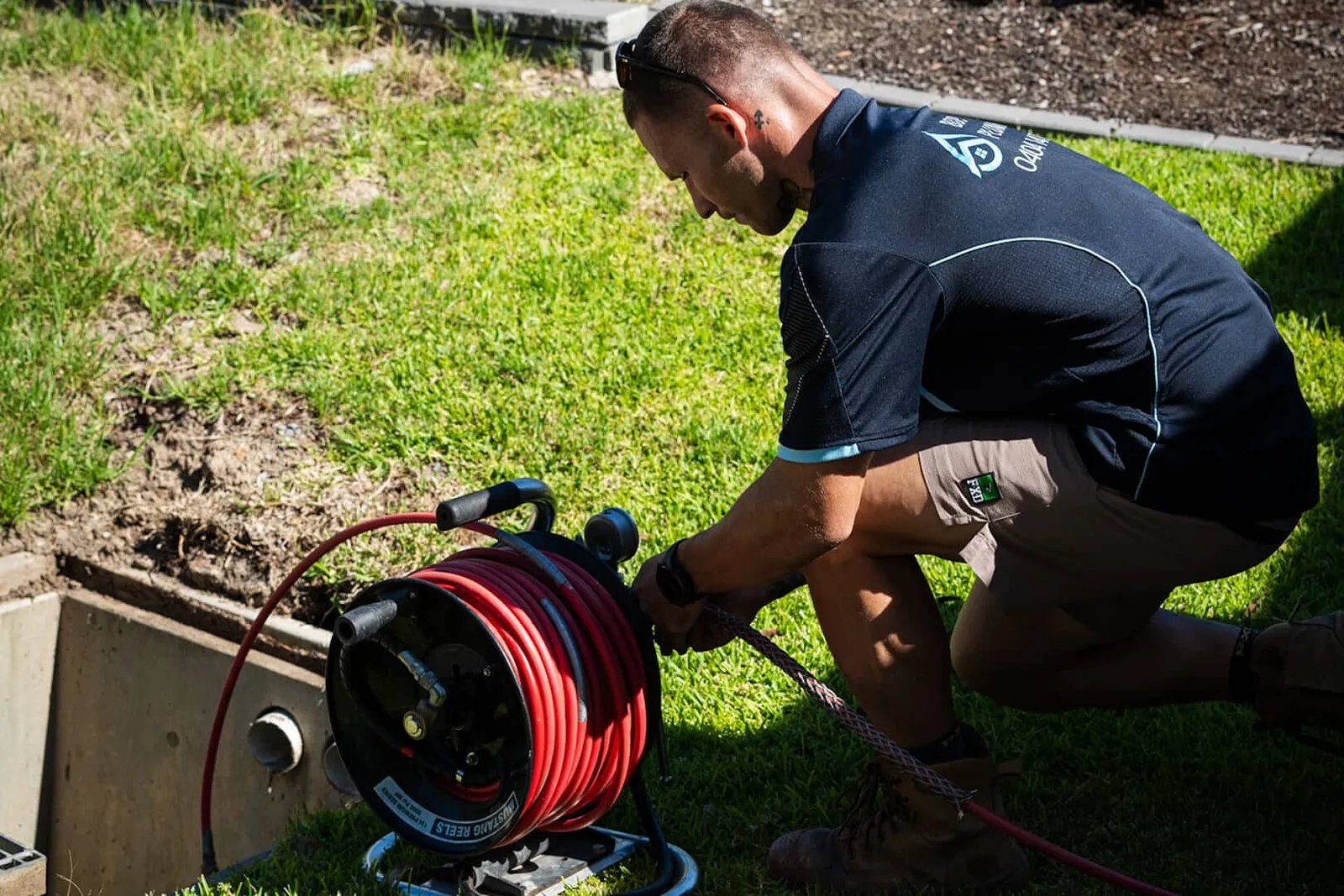
Digging up a yard to find a blocked drain hurts twice when the fault turns out to be three metres from where you thought. A camera removes the guesswork first.
- You see the fault, not a theory. Roots, cracks, silt and collapsed sections all show on screen
- The footage tells us whether the line clears with jetting or needs a repair, before anyone prices the job
- Distance recording along the line means a fault can be pinpointed to a spot in the yard
- You get a straight answer about what the fix involves, not a vague "could be a few things"
The low ground makes it worse. The suburb sits on the Hunter River floodplain, and the high water table keeps moisture working into old below-ground pipes year round. A line that looks fine from the gully outside can be quietly settling silt and admitting groundwater. Only a camera shows it.
What we find under the cottage streets
The housing stock tells you what the camera will show. Federation and interwar workers' cottages were plumbed with clay and earthenware lines, and a century later those pipes crack, shift and open their joints to everything nearby.
The usual findings:
Tree roots in the joints
Cracked and sagging clay pipes
Silt and scale build-up
Groundwater infiltration
There's a seasonal pattern too. Lines already partly compromised get surcharged by Hunter storms, and a camera pass shows where the weak point sits before it becomes the next blockage.
How an inspection runs
The process is simple, and you see everything we see.
- 1
Find the access
We locate the inspection opening or gully that gives the best run into the line, which in the older cottages is sometimes the trickiest part of the job
- 2
Run the camera
The camera travels the line while we watch the feed, noting every fault and how far along the pipe it sits
- 3
Talk you through the footage
You get the finding in plain terms: what is in the pipe, where it is, and what the realistic options are
- 4
Quote before any work
If the line needs jetting or a repair, the price is agreed in writing before anything starts, and the $0 call out means getting us there costs nothing
If the camera finds a blockage rather than a fault, clearing it usually runs through high-pressure jetting, and a second camera pass afterwards confirms the line is clean. Both are covered in full on our drainage hub.
When a camera inspection is worth booking
Some jobs need a camera and some don't. The ones that do:
Repeat blockages
Pre-purchase checks
Unexplained damp or smells
Before renovations or extensions
After major storms
Old pipes, low ground, one camera
The faults here are rarely mysterious.
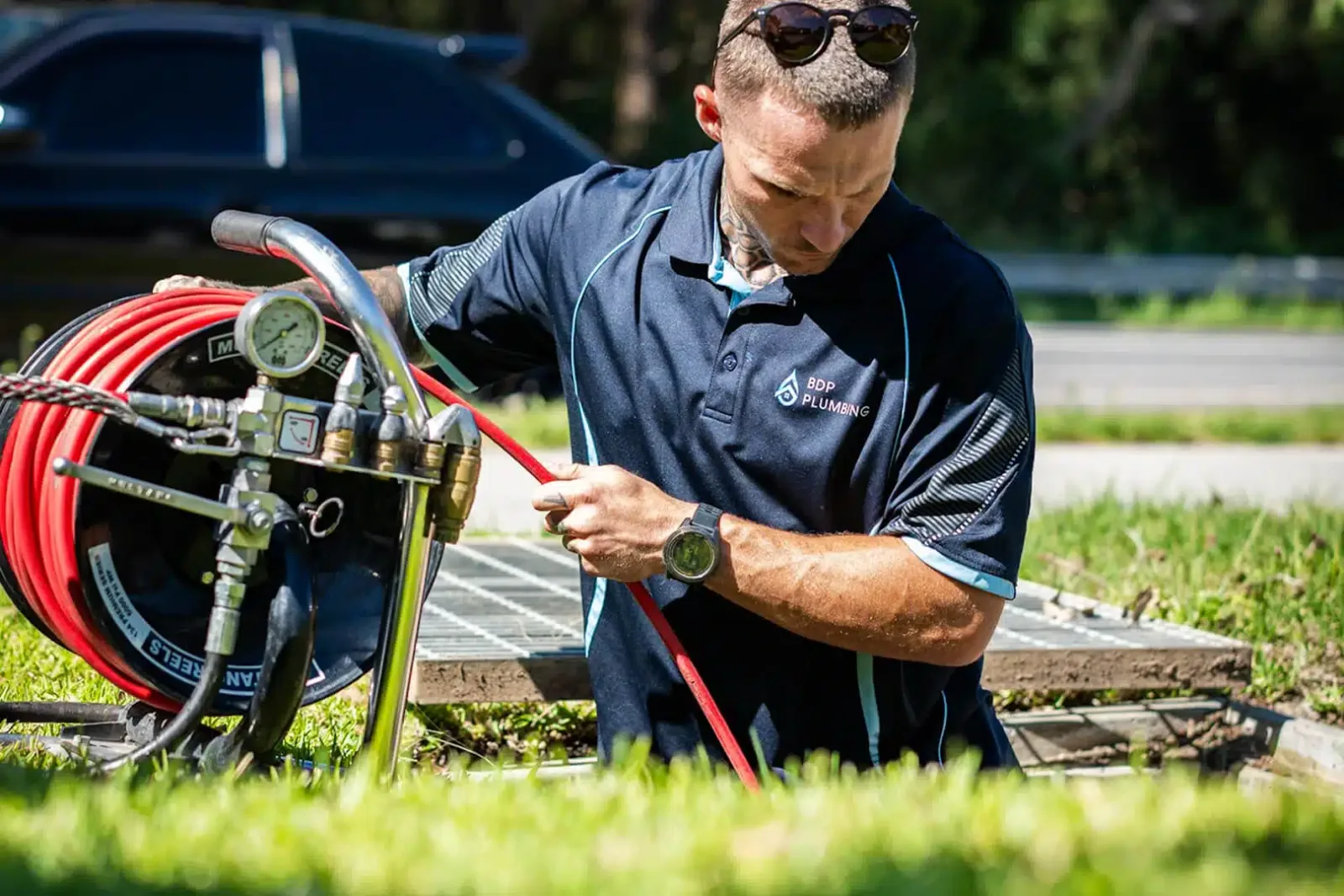
Cameras exist because the faults are real, predictable and worth finding properly. Guesswork is expensive; footage is not.
Stormwater counts too.
Repairs, once the camera has spoken
An inspection is diagnostic, and the fix depends on what it shows:
CCTV drain inspection questions
What does a CCTV drain inspection actually show?
The camera shows the inside of the pipe live, so roots, cracks, displaced joints, silt and sagging sections all appear on screen, which usually settles whether a line clears or needs repair.
How long does a camera inspection take?
Most residential runs take under an hour once we have found the access. Older cottages with awkward openings can take longer, and you get the finding explained on the spot either way.
Is it worth booking before buying an older house?
Many homes here still run on original earthenware drains. A pre-purchase camera pass shows root intrusion, cracks and silt before settlement, so the repair cost is known rather than inherited.
Can you pinpoint where the pipe is damaged?
Yes. The camera records distance along the line, so a crack or root mass can be marked to a position in the yard, keeping any dig-up small and targeted rather than exploratory.
Does the camera go in before or after clearing a blockage?
Either, depending on the job. It often goes in first to find the fault, and a second pass after jetting confirms the line runs clean. On earthenware lines we always confirm.
Do you cover the nearby suburbs too?
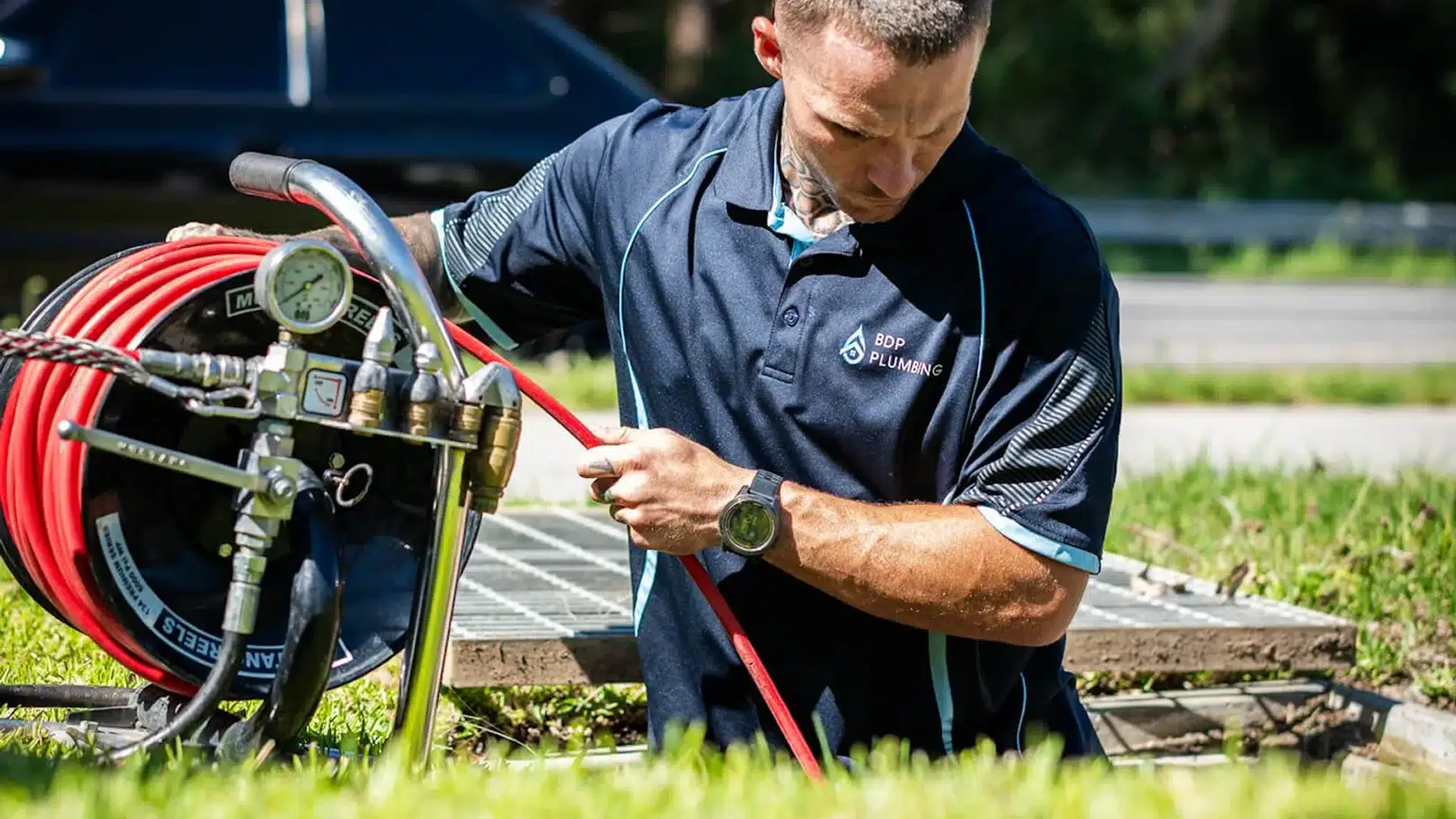
We do. The same camera gear and quote-first process runs across Tighes Hill, Islington, Georgetown, Mayfield North and Mayfield East, so neighbouring drains get the same treatment.
Plumbers in Mayfield and the suburbs around it
Book a drain camera inspection
Ring (02) 4063 3461 and tell us what the drain is doing. $0 call out across the suburb, the camera findings explained in plain terms, and the quote fixed before any repair work begins.